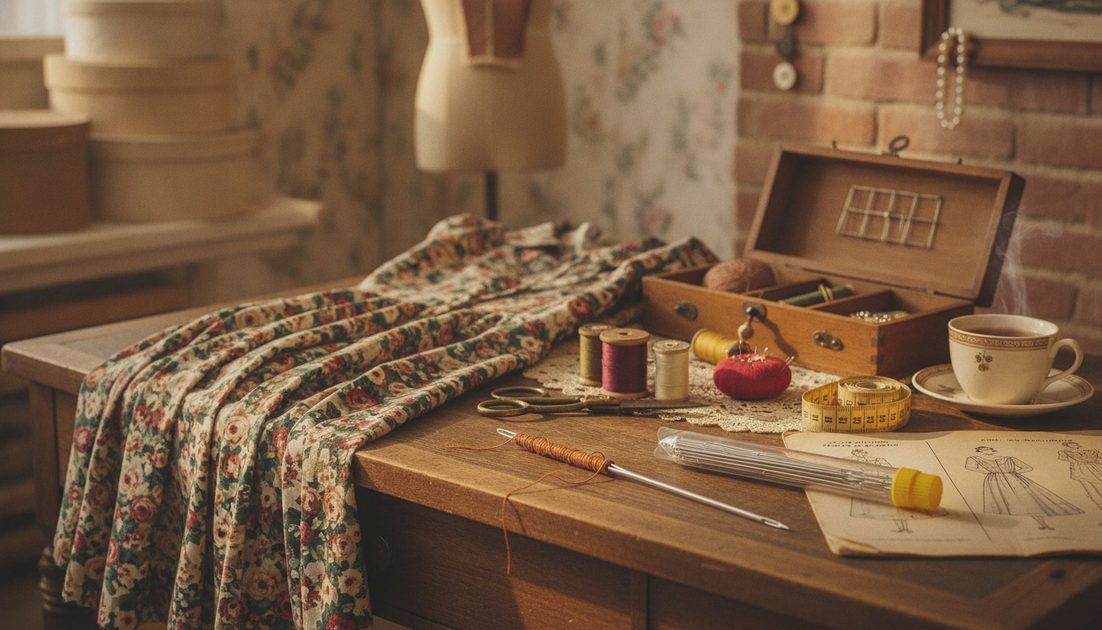
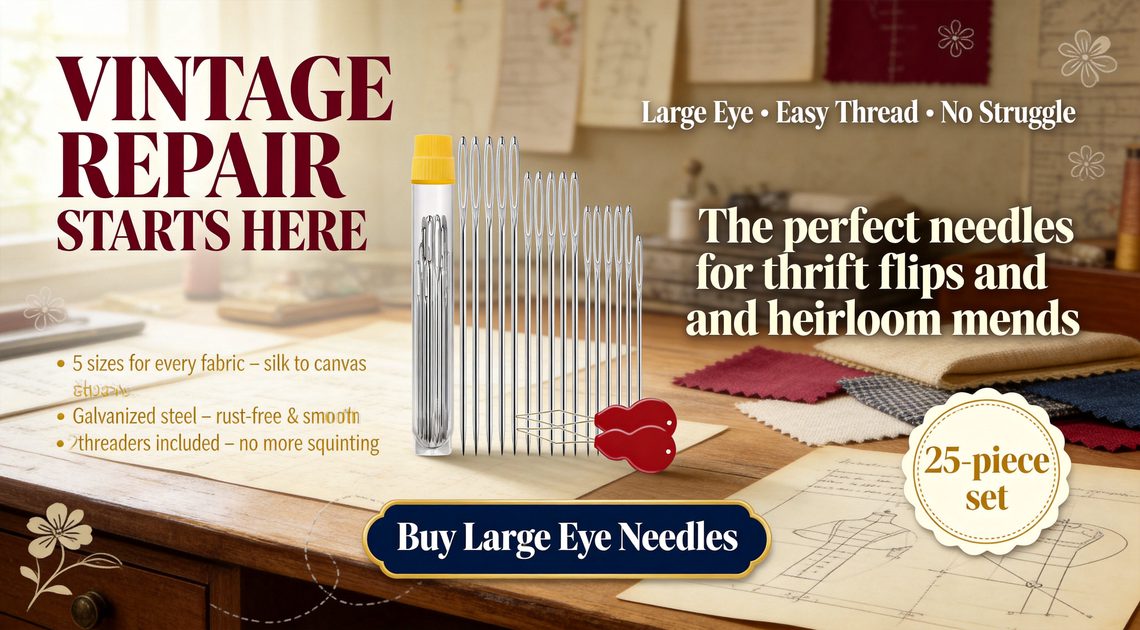
There's a particular kind of heartbreak that every seasoned thrifter knows — finding a silk blouse with perfect bones, a coat with incredible structure, or a dress that fits like it was made for you, except for one small flaw that threatens to send it back to the rack. A loose hem. A fraying seam. A button that's given up. This is exactly where a quality large eye sewing needles collection earns its place in your life — not as a craft room novelty, but as a genuine rescue tool. The JollMono 25-pack assorted sewing needles set, housed in a slim transparent tube with two threaders included, is the kind of quiet, practical thing that makes the difference between a thrift find you actually wear and one that lingers in a drawer.
Why Mending Matters More Than Matching
The Slow Wardrobe Mindset
At Velvet Borough, we've always believed that clothing has a life beyond the rack — that a garment carries history, intention, and a kind of emotional weight that fast fashion simply can't replicate. Thrifting is, at its heart, an act of preservation. You're pulling something back from the edge of obsolescence and giving it a second story.
But preservation requires care. And care, at its most fundamental level, requires thread, patience, and the right needle.
The problem with most sewing needles for mending clothes is that they're purchased as an afterthought — a random pack grabbed from a pharmacy checkout lane, mismatched and confusing, with eyes so small that threading them becomes a ten-minute ordeal that chips your patience before you've even started. If mending feels like a chore, you won't do it. And if you don't do it, that silk blouse stays broken.
What to Look for in Vintage Clothing Repair Needles
Size Assortment Is Everything
Not all fabric is created equal, and your needle selection shouldn't be either. A heavy wool coat demands something entirely different from a delicate rayon blouse or a tightly woven cotton shirt. This is why a proper assorted sewing needles set outperforms a single-size pack every time.
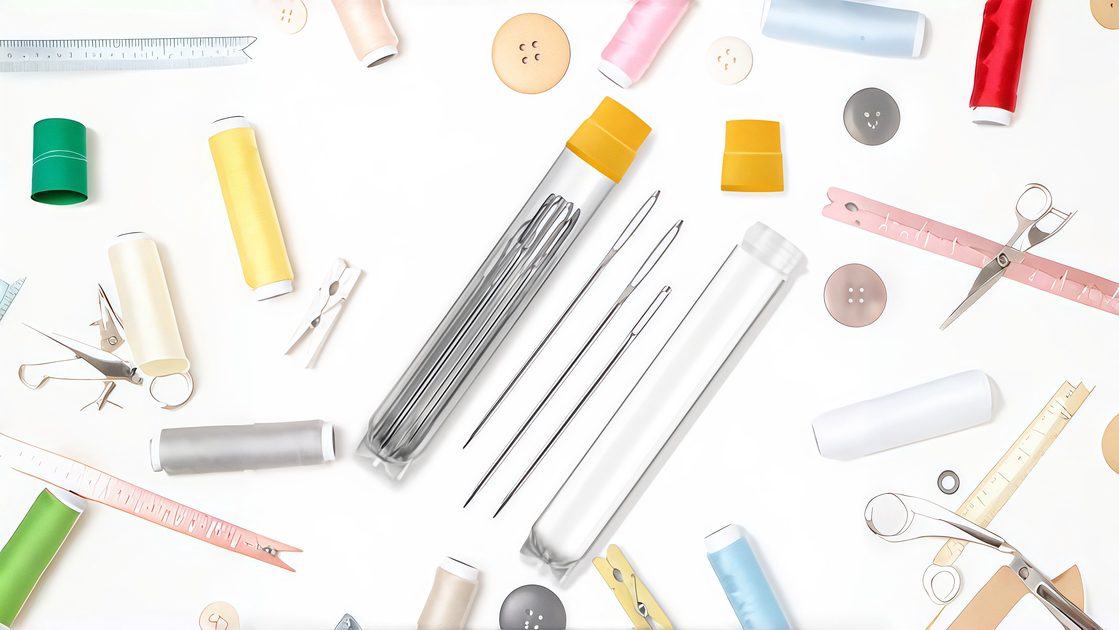
The JollMono 25-pack is structured specifically around this logic:
Needle Length | Eye Type | Best Use Case |
|---|---|---|
2.4 inch | Super Large Eye | Heavy canvas, upholstery, coats |
2.2 inch | Super Large Eye | Wool, denim, thick wovens |
2.0 inch | Large Eye | Cotton, linen, structured vintage pieces |
1.8 inch | Large Eye | General mending, shirt repairs |
1.6 inch | Large Eye | Lightweight fabrics, blouses, silk alternatives |
Five of each size, 25 needles total — enough to set one aside for every material type in your wardrobe, and still have spares when the inevitable bending happens.
Material Quality Makes a Real Difference
Cheap needles drag. They catch on fabric, leave tiny pulls, and sometimes oxidize if left in a damp sewing kit. The needles here are made from galvanized stainless steel — rust-resistant, smooth-surfaced, and built to move through cloth with minimal resistance. The grooved tail design holds thread more securely than a plain channel, which matters when you're working with slippery embroidery floss or thicker darning thread. For vintage clothing repair needles, this kind of material integrity is non-negotiable. Old fabric is often more fragile than it looks, and a rough or sticky needle can do more damage than the original flaw.
The Threading Problem — and How to Actually Solve It
No Struggle Needle Threading Is a Legitimate Goal
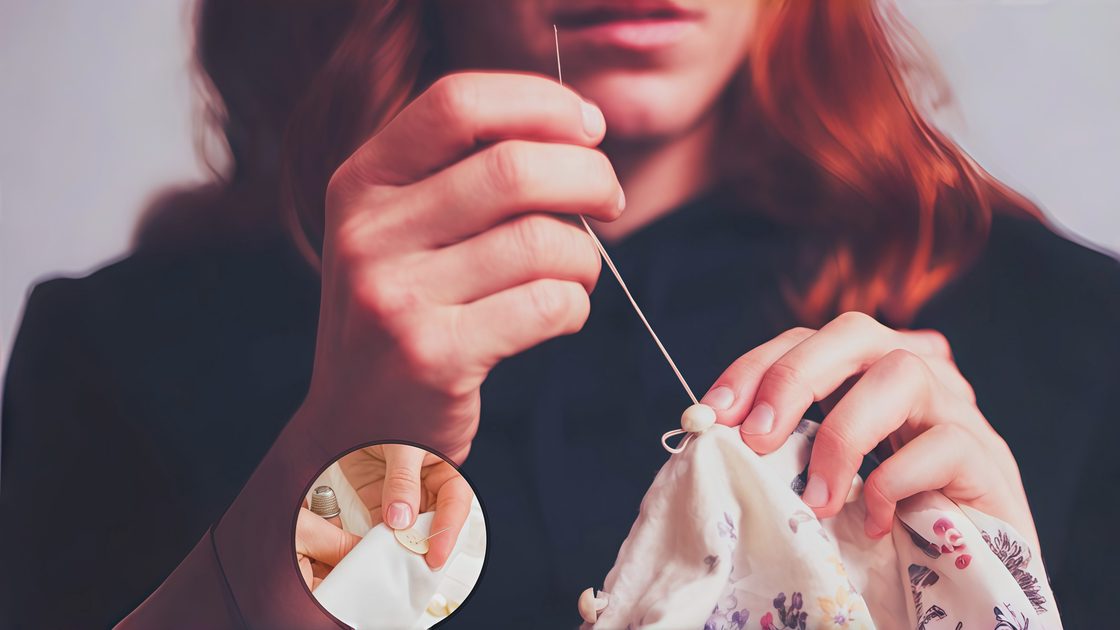
Let's be honest about something: threading a needle is where most mending attempts die. You hold the thread up to the light, squint, try three times, curse quietly, and decide the coat can wait until next weekend. Next weekend becomes next month. The coat never gets fixed.
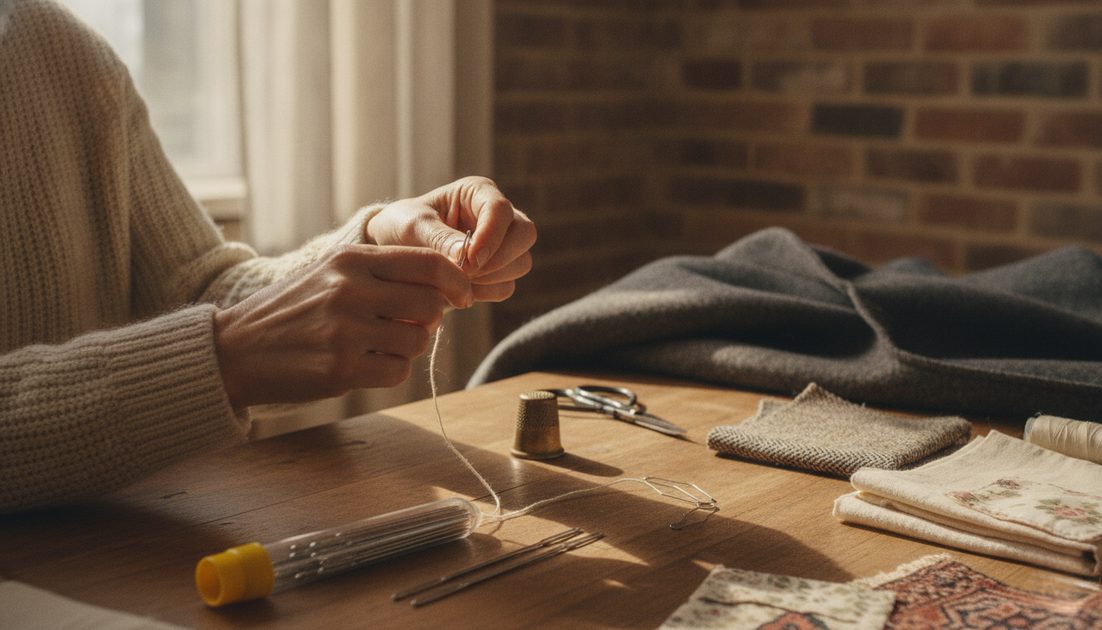
The large eye sewing needles in this set are designed with a visually generous eye — easy to distinguish, easy to align. But more importantly, each set comes with two needle threaders included. This is the detail that actually changes behavior. With a threader, the process takes seconds. You loop the wire through the eye, pass your thread through the wire loop, and pull — done. Even those 1.6-inch needles with relatively smaller eyes become cooperative.
Why This Matters for Sewing Needles for Beginners
If you're newer to hand-sewing — if you've watched Clara's essays on thrift flipping and decided to finally try it yourself — the threader inclusion is genuinely important. Sewing kit for beginners often fails people not because of missing skill, but because the tools themselves create unnecessary friction. Removing the threading barrier means you're actually more likely to sit down and do the work.
The Storage Detail That's Worth Mentioning
Small But Significant
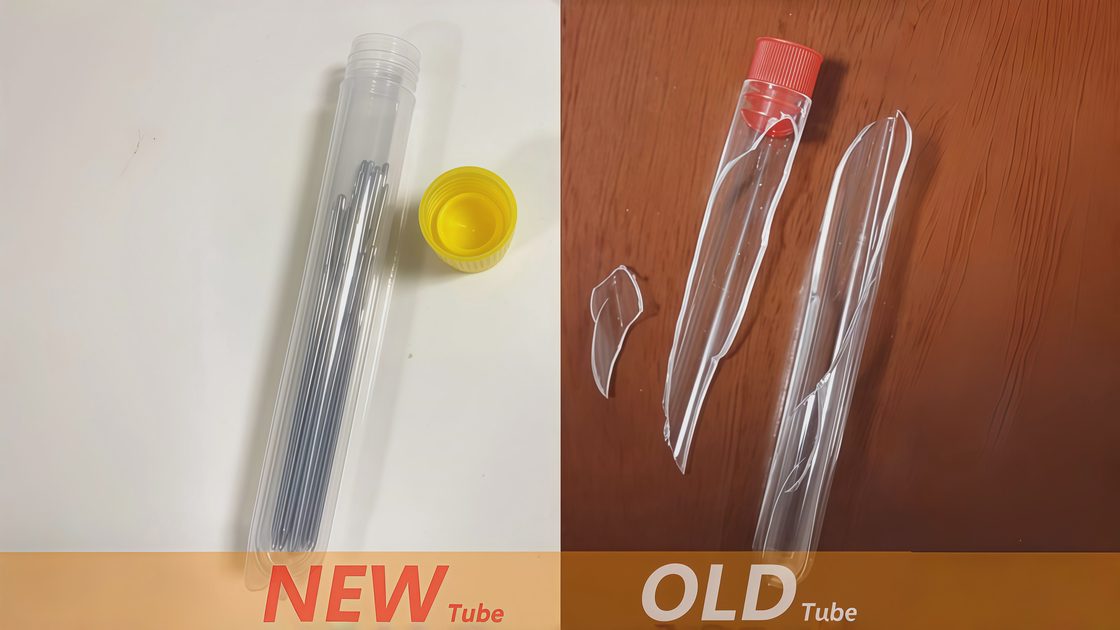
The transparent tube is a minor thing that turns out to matter quite a bit. Needles stored loose in a tin get jumbled. You pick up a 1.6-inch when you need a 2.2-inch, or you can't find the threader, or the whole lot falls on the floor in a cascade of silver slivers. The tube keeps them organized by length, capped securely, and visible at a glance. It's the kind of considered packaging that signals the manufacturer actually thought about how needles get used — not just sold.
Building Your Thrift Flip Sewing Kit
What a Real Mending Kit Looks Like
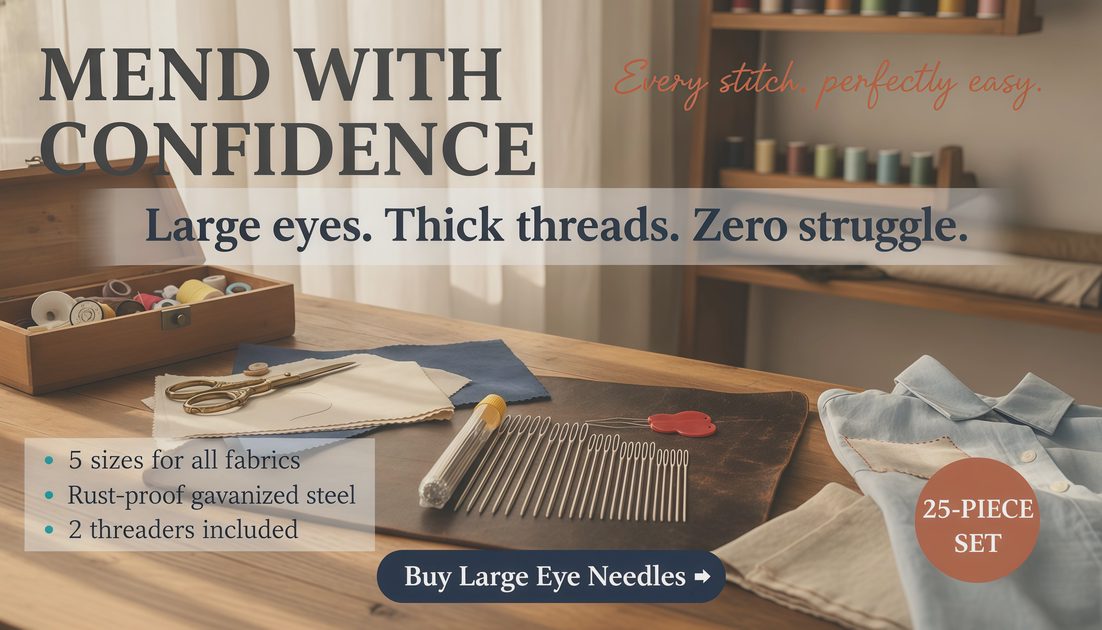
A complete thrift flip sewing kit doesn't need to be elaborate. In fact, the best mending kits are the ones small enough to live on a shelf corner and simple enough that pulling them out feels effortless. Here's how the needle set fits into a broader kit:
The Needle Set — your JollMono 25-pack in its transparent tube, organized by size, immediately accessible.
Thread in Core Colors — navy, black, ivory, grey, and a warm brown cover roughly 80% of thrift finds. A small spool of each is sufficient.
Small Sharp Scissors — for trimming thread ends cleanly and unpicking old seams before re-sewing.
A Few Straight Pins — for holding alterations in place before committing to stitches.
Fabric Chalk or Washable Marker — for marking hemlines or adjustment points before cutting.
That's it. Five categories. Everything else is optional.
Needles for Altering Thrift Finds — What the Work Actually Looks Like
The most common alterations on thrift store pieces are simpler than people assume:
Taking in a waist — a few rows of running stitch along an existing seam, no machine required for temporary adjustments or even permanent ones on lighter fabric.
Re-hemming a skirt or trouser — the 1.8-inch or 2.0-inch needles handle this beautifully with a slip stitch, nearly invisible from the outside.
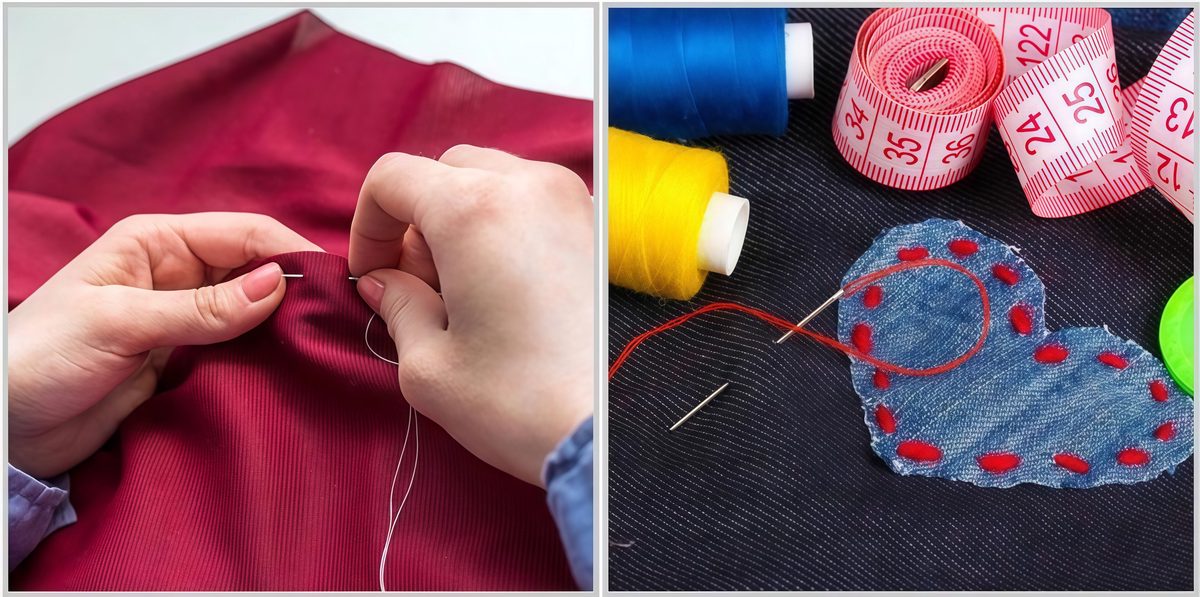
Reattaching buttons — the 2.2-inch needle with a waxed thread makes for an anchored, lasting repair on coat buttons.
Reinforcing fraying seams — a few passes of whip stitch along the edge, using the appropriately sized needle for the fabric weight, stops a small fray from becoming a full tear.
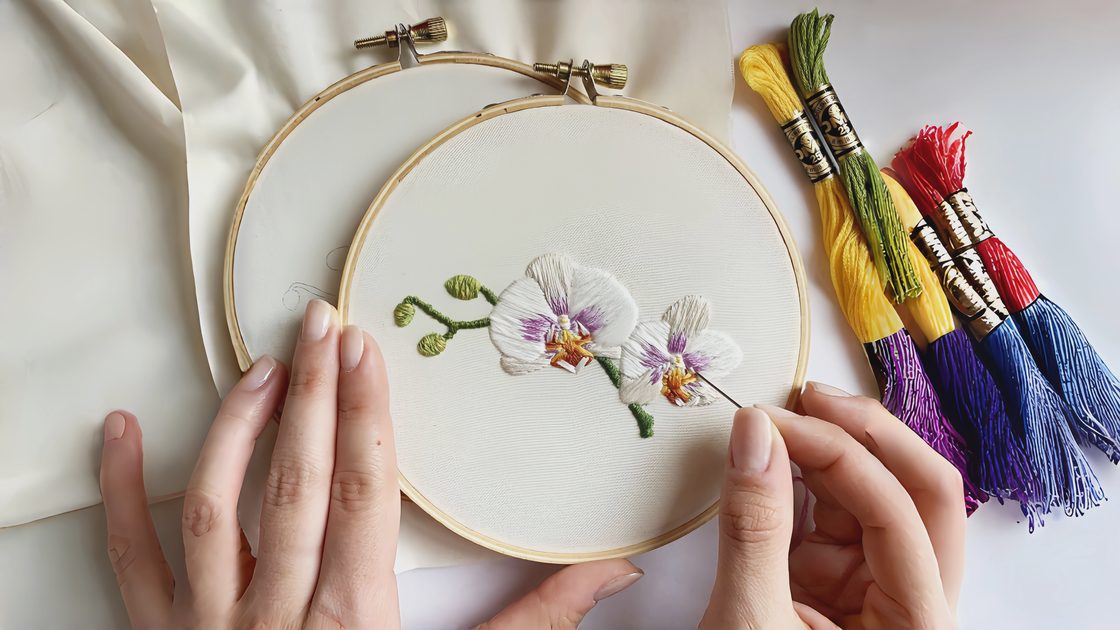
Embroidery details — using the larger eye needles to add simple embroidered accents, a small floral cluster at a collar or a monogram at a cuff, is the kind of personal touch that transforms a generic find into something that feels genuinely yours. The set's DIY sewing crafts needles range handles embroidery floss easily without splitting.
A Quiet Investment in Intentional Dressing
The philosophy behind slow fashion isn't really about restriction — it's about relationship. When you mend something yourself, you understand it differently. You know where the weak seam is, how the fabric behaves, what it can withstand. That knowledge makes you a better curator of your own wardrobe.
Easy threading needles, quality steel, five thoughtfully chosen sizes, and two threaders as a practical gift to your future frustrated self — this set isn't flashy, but it's exactly right. It belongs in every thrifter's kit, on every shelf next to the thread collection and the fabric scissors.
The coat on the rack with the split lining? It's waiting for you to bring it home.
FAQ
Q: Can these needles be used on leather or suede thrift finds? Yes. The larger gauges (2.2 and 2.4 inch) are listed as compatible with leather. However, for very thick or structured leather, a dedicated leather needle with a cutting tip may offer cleaner results.
Q: How do I store needles long-term without rusting? The galvanized steel construction resists rust well, but keeping needles away from humidity helps. The included tube is airtight enough for standard storage. Avoid leaving them in a bathroom sewing kit.
Q: Are the threaders reusable, or are they one-time use? The threaders included are standard wire loop threaders — reusable with reasonable care. The wire loop can bend with rough handling, so threading gently extends their life significantly.
Q: Is this set suitable for hand-quilting vintage fabric? The 1.6 and 1.8-inch needles work well for quilting through lighter vintage layers. For thick batting and multiple quilt layers, you may want a dedicated quilting between needle for finer control.
Q: What thread types work best with the large-eye needles? The larger eyes accommodate embroidery floss (including six-strand), pearl cotton, doubled regular thread, and thin yarn — making them versatile for both repair work and decorative stitching on thrift alterations.
No letters yet — be the first to write.