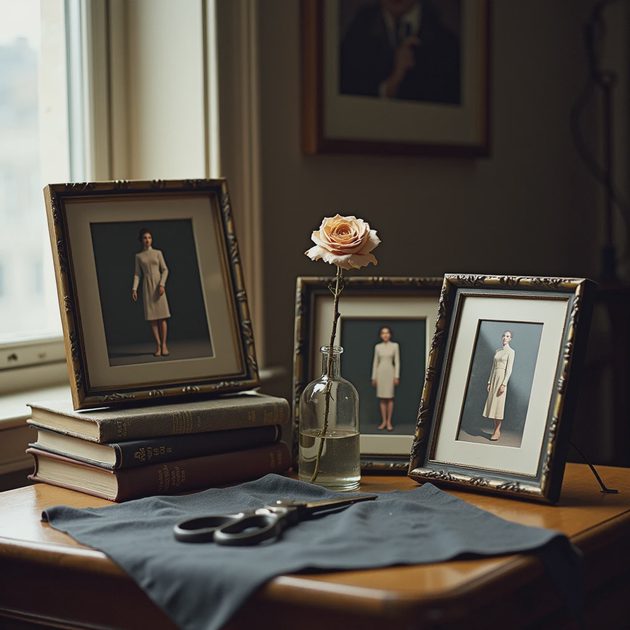
Some of the best style lessons I've absorbed didn't come from fashion magazines. They came from old films — watched on a secondhand laptop in a Brooklyn apartment, paused and rewound, sometimes frame by frame, while I tried to identify what exactly made a character's silhouette so arresting. The 1960s, in particular, reward this kind of study. No decade in cinema moved through such dramatic shifts in shape: from sculptural early-sixties tailoring to the dissolving hemlines and softening proportions of the late sixties, all within ten years. The clothes were telling a story about what women were reaching for — and what they were leaving behind.
What follows isn't a costume guide. I'm not interested in dressing like a decade. I'm interested in what a decade of film can teach about shape, proportion, and the quiet confidence that comes when an outfit is built from the silhouette outward.
The Givenchy Geometry of Charade (1963): The Power of a Strong Outline
When I think about a silhouette that refuses to apologize, I think about Audrey Hepburn in Charade. Costume designer Hubert de Givenchy built her wardrobe around a strict, clean outline: structured coats with pronounced shoulders, knee-length hemlines that stopped at exactly the right point, and a waist that was always defined without ever looking cinched. The silhouette was architectural but never stiff — elegant in the way a well-designed chair is elegant. It served the body, not the other way around.
What this silhouette teaches about shape now:
The most important lesson from Hepburn's Charade wardrobe is that a strong outline carries more visual weight than any print, color, or accessory. A coat with good shoulders and a clean hem reads instantly, even from across the street. It doesn't need embellishment because its proportion is already doing the work.
In practical terms, this means prioritizing structure before decoration. A coat, a dress, a blazer — if the shoulder-seam placement and the waist definition are right, you can wear the same shade of beige head to toe and still look composed. The Givenchy approach is essentially: build a frame your body can stand inside comfortably, then stop adding things. Restraint gets remembered.
The other piece worth noting: the hemline discipline. Givenchy's mid-sixties hemlines for Hepburn typically landed just below the knee, which gave her full range of movement — walking briskly through Paris, climbing stairs, sitting in a restaurant booth. That length allowed the fabric to swing without catching, a practical consideration that made the silhouette feel alive instead of posed. A shape that only works when you're standing still isn't a shape worth wearing.
The Softened Suit of The Thomas Crown Affair (1968): When Tailoring Lets Go
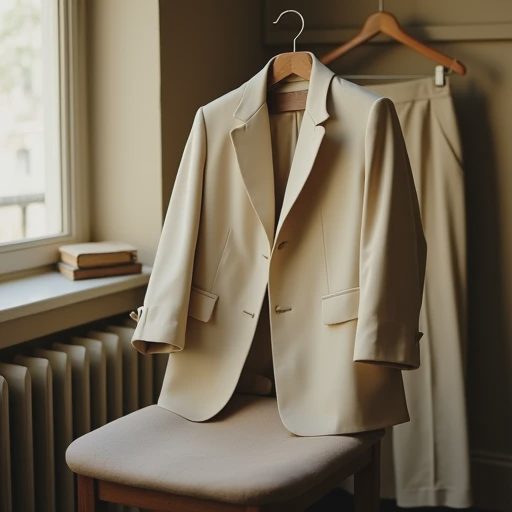
Only five years after Charade, Faye Dunaway in The Thomas Crown Affair presented a completely different proposition. Costume designer Theadora Van Runkle softened everything: the skirt hem dropped or disappeared into trousers, jackets relaxed, hats came off entirely. The silhouette was longer, leaner, less constructed. Dunaway's character played chess in a cream trouser suit. She drove a dune buggy in a short tennis dress. Her clothes worked with her body rather than organizing it.
What this silhouette teaches about shape now:
The shift from 1963 Givenchy geometry to 1968 Van Runkle ease maps onto an idea I think about constantly: proportions change your mood. A strong-shouldered suit coat communicates something entirely different than an unlined, collarless jacket that hangs from the shoulder instead of building it up. Neither is better. But they produce different feelings — in the wearer and in whoever sees her.
The Thomas Crown silhouette is useful now because it models softness without shapelessness. Dunaway's trouser suits still had waist definition, but it came from the body wearing the clothes, not from internal structure. The jacket draped rather than gripped. The trousers were cut wide but not voluminous — fabric moved around her legs without hiding them.
For everyday dressing, this means: if you've been living in strict, structured vintage silhouettes and something feels off, try taking the architecture out. Wear a softer shoulder. Let the waist definition come from a simple belt rather than built-in seaming. See if the silhouette follows your body's natural line instead of constructing a separate one around it. Sometimes the shape you need is permission to ease up.
The Disappearing Waist of Petulia (1968): Proportion Beyond the Hourglass
Julie Christie in Petulia — another 1968 film, another Theadora Van Runkle collaboration — delivered what might be the most misunderstood silhouette of the decade. Christie's character drifted through San Francisco in a white mink coat thrown over a crochet minidress, or a tent-shaped shift worn with bare legs. The waist wasn't defined. The shape wasn't hourglass. And yet it was undeniably feminine, undeniably intentional.
What this silhouette teaches about shape now:
This is the counterintuitive lesson: you don't need a waist to have a shape. The Petulia silhouette works because it sets up a different kind of proportion — the relationship between hemline and leg line, between fabric volume and bare skin, between the oversized coat and the smallness of the person inside it. Proportion isn't just about narrowing and widening. It's about tension.
When Christie stood in that tent dress, the shape wasn't "body" but "column." And columns, in architecture, are beautiful because they rise vertically without interruption. The eye travels up and down without stopping. It's a different kind of attention — not the curve, but the line.
For wearable vintage style now, this offers an alternative to the tyranny of the waist belt. If you love a shift dress but worry it looks shapeless, stop looking for the waist and start looking at the length. Where does the hem end? What shoes are under it? Does the neckline draw the eye upward? A trapeze or shift silhouette succeeds when the proportions above and below are intentionally balanced — cropped hair or a high neckline above, bare legs or slim trousers below. The shape is there. It's just not in the place you were trained to look for it.
What All Three Silhouettes Have in Common
Looking at these three films together — Charade, The Thomas Crown Affair, Petulia — a pattern emerges that has less to do with the specific shapes and more to do with the thinking behind them.
Silhouette first.
Every costume designer started with the outline. Color, texture, and detail came second. That's a hierarchy the best vintage dressers I know follow instinctively. When you build an outfit from the silhouette outward, the details amplify rather than distract.
The body leads.
In all three films, the clothes served the actress's movement. Hepburn walked briskly through Paris. Dunaway drove cars and leaned across chess boards. Christie drifted through San Francisco streets and sat on hospital beds. The clothes moved with them. A shape that can't survive a chair, a staircase, or a long walk isn't a successful shape — in 1963 or 1968 or now.
Intention reads.
Every silhouette in these films was a choice. The structured coat, the soft trouser suit, the tent dress — each communicated something specific about the character wearing it. That's the final and most transportable lesson: what makes a silhouette memorable isn't its trendiness. It's the clarity of the decision. You can wear almost any shape if you wear it like you meant it.
Style should feel collected, not crowded. The shape of a decade is never one shape. It's a conversation — between restraint and release, between architecture and ease, between what a woman has been told to wear and what she reaches for when she dresses for herself. The 1960s on film captured that conversation happening in real time. Nearly sixty years later, we're still learning from it.
No letters yet — be the first to write.