I still remember the first time I put on a genuine 1940s blouse—the shoulders had that soft puff, the waist nipped in just so, and the fabric felt like it had been holding stories for decades. **1940 attire** has a magnetic pull for anyone who loves vintage fashion, but it can be tricky to wear without veering into costume territory. The key is letting the silhouette lead, not the era label. Whether you’re new to vintage dressing or a seasoned thrifter, here’s how to make those wartime lines feel like your own.
The Silhouette That Defined the Decade
The most recognizable shape of the decade is the nipped waist with a full skirt—often called the New Look, though it actually began in the early forties. Shoulders were either strong with padding or softly gathered, skirts fell just below the knee, and waistlines were practically corseted. But you don’t need a girdle to achieve this. A simple high-waisted A-line skirt paired with a tucked-in blouse can echo that structure. Look for skirts with a 21- to 23-inch length—that’s the sweet spot for the era. The magic is in the contrast: a wide skirt makes the waist look smaller, and a fitted top balances the volume below. This is the backbone of **1940 attire**, and it’s surprisingly flattering for many body types.
Fabrics and Details That Feel Genuine
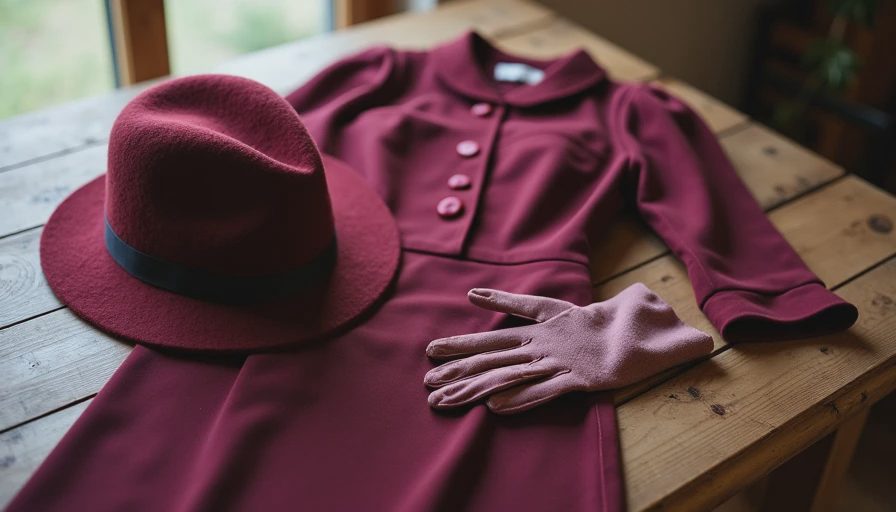
What separates authentic vintage from modern approximations is the fabric. Rayon, crepe, and wool blends were common, often with matte finishes and a bit of weight. The prints were small florals, polka dots, or geometric patterns. When I’m thrifting, I run my fingers over the material—cotton sateen that’s soft from decades of washing, or a crepe that whispers when you move. Details like metal zippers, covered buttons, and handmade lace trim are signs of the real thing. But you don’t need to source vintage; many contemporary brands produce pieces inspired by the era. Look for dresses with defined waist seams, soft shoulder pads, and full skirts in substantial fabric. The goal is to capture the mood, not the mothball smell.
Modernizing Vintage for Real Life
The biggest fear I hear about vintage is that it feels too dressed up. But think of it as a foundation. A 1940s-inspired pencil skirt works perfectly with a chunky knit sweater and loafers. A rayon blouse with a small floral print can be tucked into high-waisted jeans. The trick is to avoid wearing head-to-toe vintage. Pair one era piece with something modern—unfussy shoes, a simple bag, minimal jewelry. I often wear a 1940s wool skirt with a white t-shirt and sneakers; it feels current but interesting. The spirit of **1940 attire** is practicality anyway—those women were making do with less, so mixing new and old honors that resourcefulness.
Where to Find Authentic Vintage Pieces Today
Etsy is my first stop for genuine **1940 attire**, especially from sellers who specialize in vintage. Look for listings with detailed measurements and photos of labels. Estate sales and thrift stores in older neighborhoods can yield treasures, but patience is required. Repro brands like ModCloth, Unique Vintage, and Collectif have designed pieces that capture the era without the fragility. When shopping, remember that sizes have changed—a 1940s size 12 is closer to a modern size 4 or 6. Don’t get discouraged if the fit isn’t perfect; tailoring can work wonders. The hunt is part of the romance, and each piece has a history you get to continue.
A Few Styling Pitfalls to Avoid
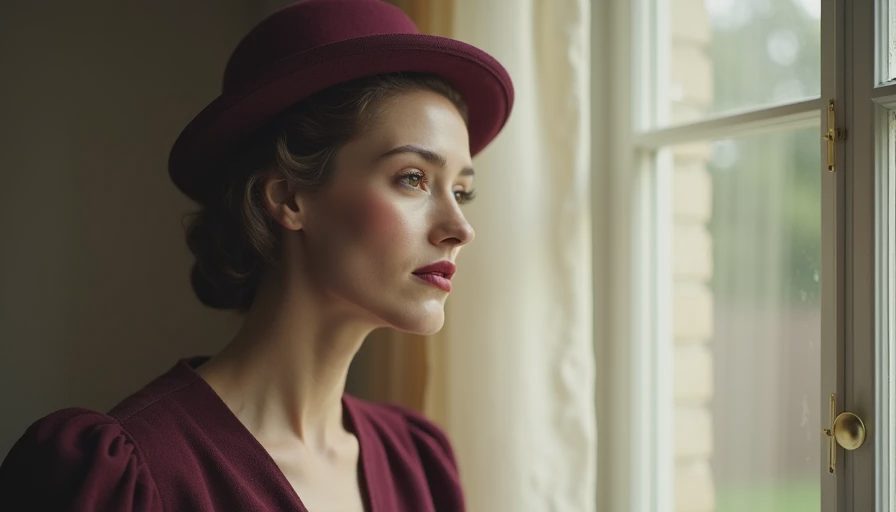
Even the most beautiful vintage garment can feel off if you overdo it. Stay away from period-accurate hats and gloves unless you’re attending a vintage event—they tip into costume. Similarly, avoid heavy postwar makeup; a red lip is fine, but skip the winged liner and foundation mask. The goal is to let the piece speak without shouting. Another misstep is ignoring the footwear. Chunky platform shoes or active sneakers will fight the silhouette. Choose delicate heels, loafers, or ballet flats instead. And resist the urge to wear everything vintage at once; one or two pieces per outfit is the sweet spot. Style should feel collected, not crowded.
Bringing It All Together
**Wearing 1940 attire** today is about borrowing a sense of grace and structure, not recreating a catalog. Start with one piece—a skirt, a blouse, a dress—and build around it with what you already own. That thrifted rayon dress might feel stiff at first, but after a few wears, it will settle into your life. I promise. There’s a reason this decade still inspires designers and stylists: the lines are simply good. And when you find the right piece for you, it will feel like it was waiting.
Frequently Asked Questions About 1940 Attire
**Is 1940 attire only for formal occasions?**
Not at all. A simple 1940s blouse with jeans or a knit sweater with a full skirt works for daily wear. The key is to choose casual fabrics like cotton or wool and skip the accessories.
**How do I know if a piece is authentic 1940s?**
Look for original tags, metal zippers, and covered buttons. Fabrics should feel heavier than modern synthetics. Rayon and crepe are common, and prints are often small florals or geometric patterns. Measurements are crucial—sizes run smaller than today.
**Can I mix 1940 attire with modern trends?**
Absolutely. A 1940s skirt pairs well with a crop top or denim jacket. The contrast keeps the look fresh. Just avoid matching the entire outfit to the period.
**Where can I find affordable 1940s-inspired clothes?**
Check online retailers like Unique Vintage or ModCloth for reproduction pieces. Thrift stores and estate sales often have hidden gems. For authentic items, Etsy and eBay are reliable, but always check measurements.

No letters yet — be the first to write.