There’s something about the 1940s that feels both practical and deeply romantic. Maybe it’s the way women cinched a waist and carried on with the day, or how a simple blouse could look utterly elegant with the right skirt. The 40s fashion trends of that era were born from necessity—wartime rationing made fabric scarce, so designers got clever with clean lines, sharp shoulders, and just enough drape to feel feminine. But these weren’t just trends; they were a whole way of dressing that still feels fresh today. And the best part? You don’t need a time machine to wear them. With a few key pieces and an eye for proportion, you can bring the best 40s fashion trends into your everyday life.
Let me walk you through the silhouettes, fabrics, and styling tricks that make this decade so endlessly inspiring.
The Key Silhouettes of 40s Fashion Trends
When I think of 40s fashion trends, the first thing that comes to mind is the silhouette: a strong, padded shoulder, a defined waist, and a skirt that falls just below the knee. It’s structured but not stiff, fitted but not tight. The hourglass shape was everything, and women achieved it with clever tailoring rather than shapewear. A nipped-in jacket over a high-waisted A-line skirt is probably the most iconic outfit of the era, and it still works beautifully today. Pair a modern cropped blazer with a full midi skirt, and you’re halfway there.
The other essential shape is the shirtwaist dress—a button-front dress with a fitted bodice, a full skirt, and often a belt. It’s a wardrobe workhorse that translates perfectly into modern life. Look for one in a cotton or rayon with small floral prints or polka dots. That’s pure 40s. And don’t forget the trouser: high-waisted, straight-leg, often with front pleats. Women wore them for factory work and then out to dinner, which is exactly the kind of versatility we love today.
Fabrics and Details That Define 40s Fashion Trends
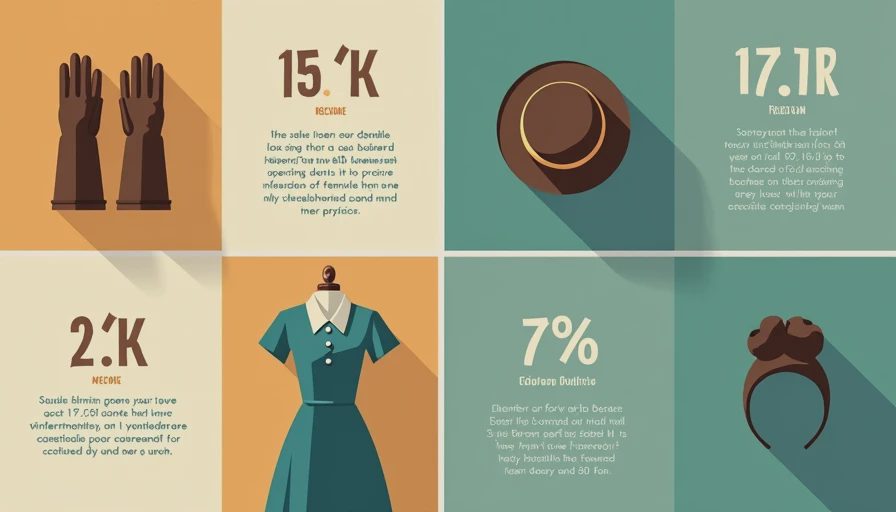
The materials of the 1940s tell their own story. Because of rationing, synthetic fabrics like rayon and nylon became popular, but wool crepe and cotton were still staples. The textures are wonderful—tweed, gabardine, and soft wool blends for winter; crisp cotton, linen, and rayon for summer. There’s a weight and structure to these fabrics that makes clothes hang nicely without clinginess.
Details matter a lot in 40s fashion trends. Look for puffed sleeves (often called “leg of mutton” or “cap sleeves”), sweetheart necklines, and decorative buttons. Collars were often pointed or notched, and belts were ubiquitous. Seamed stockings were a major trend, but you can get the look with modern seamed pantyhose or knee-highs. And don’t underestimate the power of a good hat—a beret or a turban can instantly transport your outfit to the 1940s without feeling costume-y.
The color palette was influenced by wartime: muted reds, wood tones, navy, olive, and plenty of neutrals. But women also loved bright accents in small doses—a red lip, a scarf, a cherry-colored sweater. That balance of restraint and pops of color is something I return to again and again.
How to Style 40s Fashion Trends for Everyday Life
I get asked all the time: how do you wear vintage-inspired looks without looking like you’re heading to a costume party? The answer is mixing. Take one key 40s piece and pair it with something modern. A full A-line skirt looks fresh with a simple white t-shirt and loafers. A high-waisted wide-leg trouser works perfectly with a fitted cashmere sweater. And a tailored 40s-inspired jacket can make jeans and a silk blouse feel instantly polished.
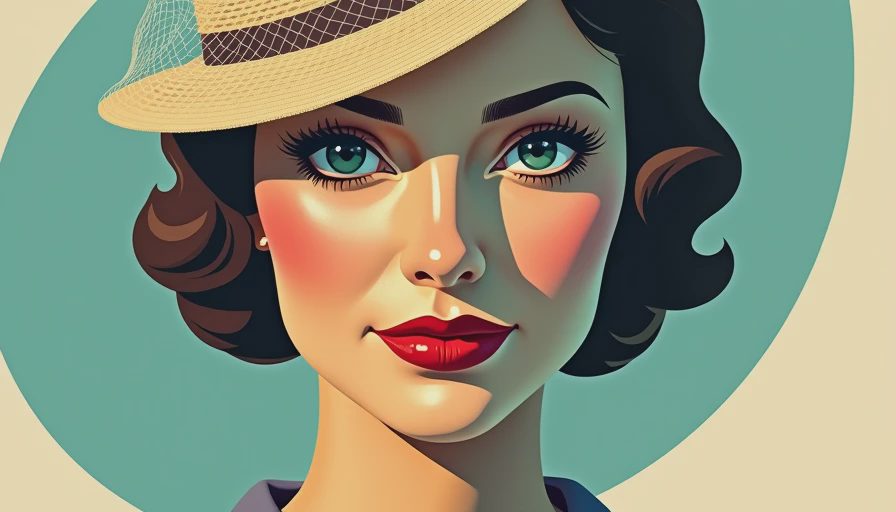
Accessories are your secret weapon. A structured handbag, a pair of low-heeled pumps or oxfords, and a silk scarf tied at the neck or in your hair can channel 40s fashion trends without overdoing it. And please—don’t skip the lipstick. A true red lip is the easiest way to add that vintage spirit to any outfit.
Another trick I love: belt a cardigan or a coat at the waist. This was a very 1940s way to create shape, and it works with almost anything. Just make sure the belt is wide enough to make a statement. A thin belt can get lost; a two-inch leather belt reads as intentional.
Where to Find Authentic 40s-Inspired Pieces
Thrifting is my first answer, always. Look for vintage wool skirts, tailored blazers, and rayon dresses from the 1940s or 1950s. But if you’re shopping new, there are brands that do the 40s silhouette really well. ModCloth has affordable shirtwaist dresses and high-waisted pants. Sézane does beautiful blouses with puff sleeves and feminine details. And for something more investment, try The Vampire’s Wife or Shrimps for that structured-but-soft look.
Etsy is a goldmine for authentic 40s fashion trends, but be patient—search for terms like “1940s dress,” “vintage wool skirt,” and “1940s blazer.” And always check measurements; sizing has changed dramatically. I’ve had incredible luck with rayon crepe dresses that fit like they were made for me, and I’ve also bought things that ended up in the donation pile because I didn’t read the waist measurement closely enough.
Tailoring is your friend. A vintage piece that’s almost right can be made perfect with a few simple adjustments. Take in a waist, hem a skirt, or replace buttons. It’s worth it for the quality and character you get.
Making 40s Fashion Trends Your Own
The beauty of 40s fashion trends is that they’re not about strict rules—they’re about attitudes. The women of the 1940s dressed with purpose and grace, even in difficult times. That spirit is something we can all carry forward. Wear the clothes that make you feel capable and beautiful. Don’t be afraid of a little structure. And remember: style should feel collected, not crowded.
So go ahead, try on a pair of high-waisted trousers or a fitted jacket with a full skirt. You might just find that the 1940s are exactly what your wardrobe needed.

No letters yet — be the first to write.