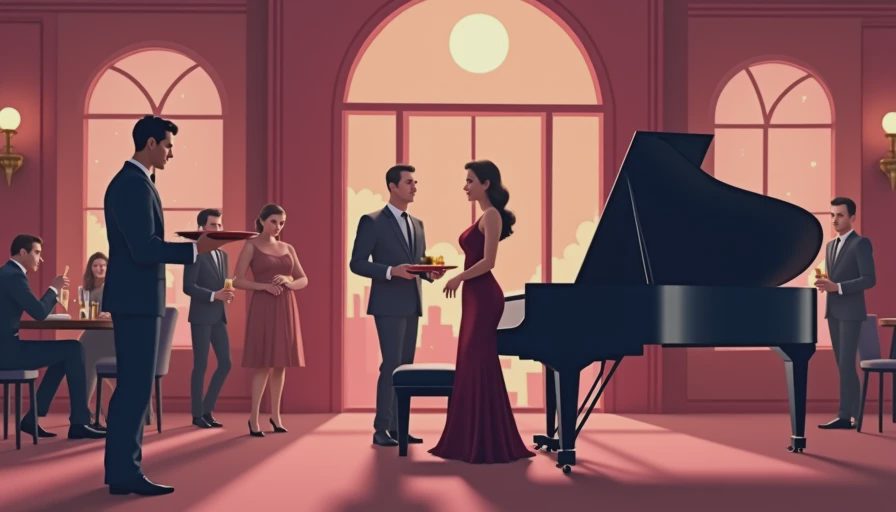
There’s something about a 60s evening gown that feels both glamorous and grounded. The clean lines, the structured bodices, the way the fabric moves—it’s a decade that understood how to make a woman feel like the most elegant person in the room without trying too hard. I’ve spent countless afternoons in Brooklyn thrift shops and vintage stores hunting for that perfect 60s evening gown, and I’ve learned a few things about what makes one worth bringing home. That silhouette doesn’t need much fussing: it already knows what it wants to be.
The Silhouette That Defined a Decade
A true 60s evening gown is built on geometry. Think A-line skirts with moderate fullness, fitted bodices with darts and structure, and necklines that range from modest boatnecks to dramatic halter cuts. The waistline sits at the natural waist or slightly higher, elongating the body in a way that feels architectural rather than restrictive. I always look for gowns with built-in boning or a defined waist seam—those details signal quality craftsmanship that holds up over time. A 1960s gown doesn’t rely on stretch or cling; it works because of its shape. When I find one with a silk chiffon overlay or a subtle satin finish, I know I’ve found something special.

Choosing the Right Fabric and Condition
Before you fall in love with a 60s evening gown, check the fabric and seams. The best examples were made from silk chiffon, crepe, satin, or double knit wool—materials that drape without sagging. Run your fingers along the zipper (usually a metal one on the side) and look for intact linings. A little discoloration under the arms is common and fixable, but ripped seams or stains in delicate areas might be beyond what a tailor can save. I’ve passed up beautiful dresses from labels like Oleg Cassini and Bonnie Cashin because they had too many missing sequins or crushed velvet that couldn’t be revived. Your local dry cleaner can tell you if something is salvageable, but trust your instincts: if the fabric feels brittle or smells of mothballs that never quite left, keep looking.
Modern Styling: Hair, Accessories, Shoes
The magic of a 60s evening gown lies in how you balance it with modern touches. A sleek ponytail or low chignon keeps the look current, while a beehive or voluminous curls can tip into costume territory. I reach for simple gold earrings or a delicate chain—nothing that competes with the gown’s architecture. For shoes, a block-heel pump or strappy sandal in nude or metallic works beautifully. Avoid anything too chunky or too stiletto-thin; the 60s gown calls for a woman who walks with purpose, not a wobbly totter. And please, no chokers or heavy statement necklaces unless the gown has a high neckline. Let the dress do the talking.
Where to Wear a 60s Evening Gown Today
These gowns are surprisingly versatile. A fitted satin number works for a winter wedding or a gallery opening, while a flowier chiffon style suits a summer garden party or an evening at the opera. I’ve worn my favorite navy silk gown to a rooftop bar in Williamsburg and felt perfectly in place—it’s all about owning the look. If the occasion is more casual, a 60s evening gown can be dressed down with a cropped cardigan or even a denim jacket, though I’d save that for a daytime event. For formal affairs, trust that the gown holds its own: pair it with a simple clutch and you’re ready.
Final Thoughts: Make It Your Own
A 60s evening gown isn’t a relic; it’s a statement of personal taste. Style should feel collected, not crowded, and a single beautiful gown can transform an evening. Whether you find yours at a vintage boutique in Brooklyn or inherit one from a family member, wear it like it was made for you—because in a way, it was. The best pieces don’t scream first; they settle into the room with quiet confidence. So go ahead, look for that perfect 60s evening gown at your next thrift stop. You’ll know it when you see it.
A Quick Checklist Before You Buy
Before you hand over your credit card, run through this checklist to make sure that 60s evening gown is a keeper. Start with the zipper: 60s gowns typically use a metal side zipper. If it's plastic or missing, pass because a replacement is costly. Next, examine the lining. Intact lining means the dress was well cared for; ripped lining is fixable but adds cost—budget at least $50 for a tailor. Third, check for underarm discoloration. A little is normal, but heavy yellowing or stains may be permanent. I once passed on a gorgeous emerald green dress because the underarm sweat had eaten through the silk. Fourth, evaluate the fabric. Silk chiffon and satin are premium; polyester blends can feel cheap and don't breathe. Fifth, consider the fit. A 60s evening gown is meant to fit snugly at the bust and waist. If it's too loose, alterations might ruin the silhouette. Sixth, look at the seams. Loose threads or frayed edges are a red flag. Finally, ask yourself: does it spark joy? If you're not sure, put it back. A great vintage gown should feel like it was waiting for you.

No letters yet — be the first to write.