I still remember the first time I tried on a genuine 1940 dress style. It was a rayon crepe tea frock with a sweetheart neckline and a soft A-line skirt that hit just below the knee. The fabric felt substantial, almost heavy, but the cut made me feel both capable and graceful — a combination I’ve rarely found in modern clothes. That afternoon in a Brooklyn thrift shop changed how I think about dressing. The 1940 dress style isn’t just about nostalgia; it’s about understanding silhouettes that were designed for real life but still manage to look romantic.
What draws me to the 1940 dress style is its balance of practicality and femininity. During the war years, women needed clothes that let them work, move, and still feel put-together. That tension produced some of the most flattering dresses ever made: narrow shoulders, nipped waists, full skirts that swish when you walk, and lengths that are modest without being matronly. Today, wearing a 1940 dress style connects you to a moment when women had to make do with less but still insisted on beauty.
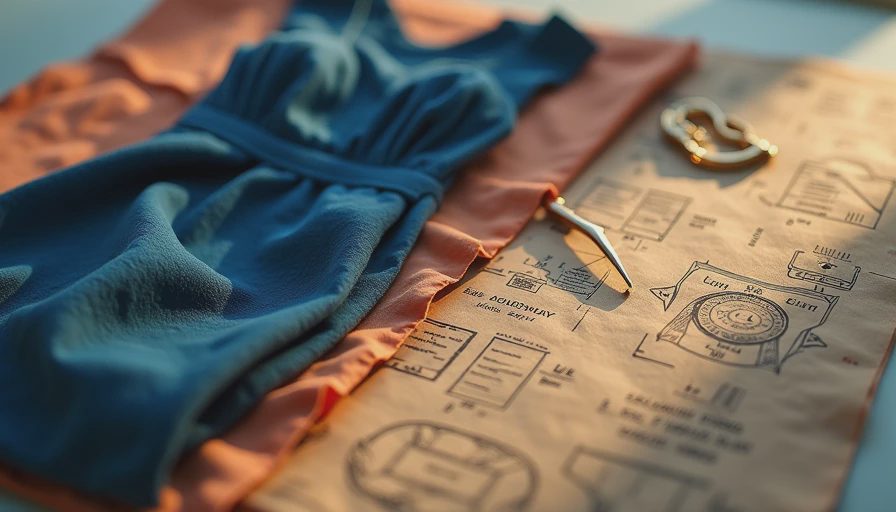
What Makes 1940 Dress Style So Enduring?
The 1940 dress style has survived because it was built on proportion, not trend. Designers of the era worked with restrictions — fabric rations, utility schemes — so they focused on cut and detail instead of excess. A typical 1940 dress has a defined waist, often cinched with a self-belt or sewn-in darts that create an hourglass effect without boning or extreme construction. The neckline is often open but not low: a keyhole, a square, or a simple V shape that feels graceful. Sleeves are usually set-in with slight padding at the shoulder, giving a clean line that balances the hip width.
This silhouette works for many body types because it creates structure without squeezing. The skirt, whether gathered or gored, allows movement. The length — usually mid-calf or just below the knee — feels modest but not frumpy. When I wear a 1940 dress style, I notice people treat me differently. There’s a quiet dignity to the cut that makes you stand a little taller. It’s the kind of timelessness that doesn’t shout.
Three 1940 Dress Silhouettes to Know
If you’re new to the 1940 dress style, start with these three classic types. First, the **shirtwaist dress**: it combines a tailored bodice with a full skirt, often with a button front, collar, and short sleeves. Think Rosie the Riveter but polished. I own a mustard rayon version I found in a Manhattan vintage shop, and it’s my go-to for days when I want to feel efficient and pretty. Second, the **tea dress**: softer and more feminine, with a gathered waist, puffed sleeves, and a sweetheart or off-shoulder neckline. This is the dress you wear to a brunch or a gallery opening with friends. Third, the **victory suit dress**: a two-piece suit with a fitted jacket and a straight or slightly flared skirt. This is the most tailored of the three — perfect for a work presentation or an evening out.
Each of these variants of the 1940 dress style offers a different mood, but they share the same core principles: clean lines, an emphasized waist, and a skirt that moves with you. When you find one in good condition, hold on to it — they don’t make them like this anymore.
How to Style a 1940 Dress for Modern Life
The trick to wearing a 1940 dress style today is to mix it with contemporary pieces so it doesn’t feel like costume. With the shirtwaist dress, I love a pair of flat espadrilles or sleek white sneakers — it adds a casual ease that brings the dress into the present. For a tea dress, try a denim jacket or a cropped cardigan instead of the original bolero. A modern leather belt can update the silhouette if the original is missing or worn out.
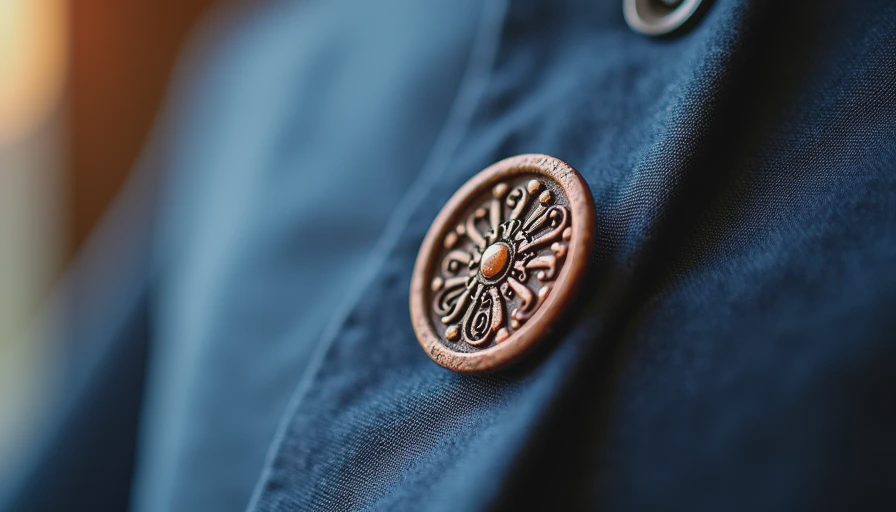
Accessories should be minimal. A vintage brooch at the collar or a simple leather crossbody bag nods to the era without overwhelming. Hair can be worn loose or in a low ponytail — no need for victory rolls unless you’re feeling dramatic. The best 1940 dress style looks effortless, like you just happened to grab a beautiful old dress and make it your own. That’s the secret: let the dress do the heavy lifting and keep everything else simple.
Where to Find Authentic 1940 Dresses
Hunting for a genuine 1940 dress style takes patience, but the reward is a piece of history you can wear. Start with local thrift stores and vintage shops in your city — especially those run by older collectors who know their decades. Online, Etsy is a goldmine, but search carefully: use terms like “rayon 1940s dress” or “wartime dress” to avoid reproductions. Be ready to pay anywhere from $50 to $150 for a piece in good condition, depending on fabric and rarity. Always check for underarm discoloration, seam splits, and lining condition. Rayon from the 1940s can be fragile; hand-wash in cold water and hang to dry.
If you prefer the fit and durability of new clothes, reproduction brands like Unique Vintage, ModCloth, and American Duchess offer modern takes on the 1940 dress style. They use updated fabrics and sizing, so you get the silhouette without the risk of vintage tears. I own a navy polka-dot repro shirtwaist that I’ve worn more often than any of my genuine vintage dresses.
Final Thoughts
The 1940 dress style isn’t a passing trend; it’s a lesson in dressing well with what you have. Whether you find an original or a repro, the key is wearing it with confidence and ease. As I always say, style should feel collected, not crowded. A single great 1940s dress can become the most versatile piece in your wardrobe if you let it live alongside your everyday clothes. So take the time to find one, care for it, and wear it often. You’ll discover that a dress from eighty years ago can still make you feel like the most modern woman in the room.

No letters yet — be the first to write.