
There’s a reason 1950s style dresses have never really gone away. They’re the kind of clothes that feel like a small piece of cinema—a crisp shirtwaist on a sunny afternoon, a wiggle dress at a low-lit bar, a full-skirted tea dress that makes walking feel like dancing. I’ve spent years hunting for the right 1950s style dresses, and I’ve learned that the key is not to chase an era, but to find a silhouette that fits your real life.
Let’s walk through what makes a dress read as truly 1950s, where to find them, and how to wear them now without feeling like you’re in costume.
The Silhouette That Started It All
The 1950s was a decade of deliberate shape. After the austerity of the war years, designers embraced fabric and structure. The most iconic 1950s style dresses fall into a few clear categories: the fit-and-flare (tight bodice, full skirt), the wiggle (slim, often knee-length, fitted through the hips), and the shirtwaist (button front, collar, often with a belt). Each does something different for your body and your mood. A fit-and-flare dress is playful and flirty; a wiggle dress says something more restrained and knowing.
When you’re evaluating whether a dress truly belongs to the 1950s sensibility, look at the proportions. A natural waist that’s cinched, a skirt that stands away from the body (usually with petticoats or crinoline underneath), and sleeves that are either very short or three-quarter length. Necklines often have a sweetheart curve or a modest scallop.
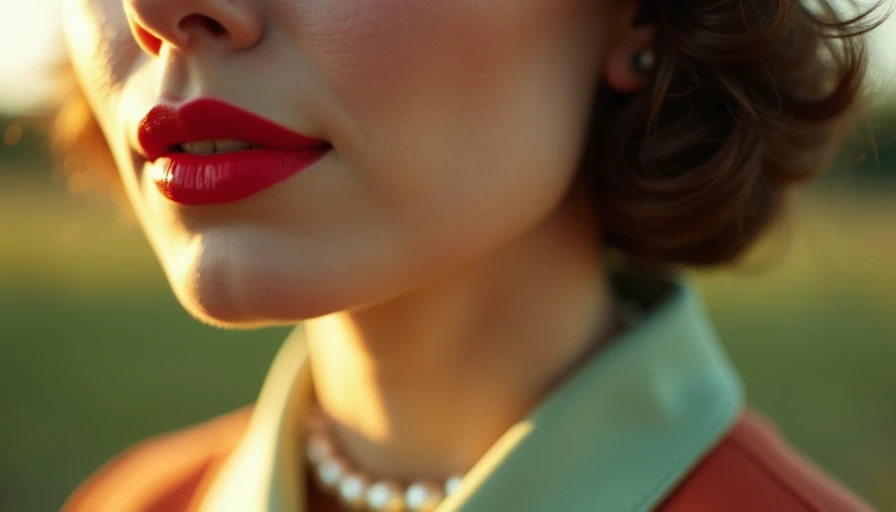
Fabric and Details That Say 'Fifties'
Cotton gingham and polished cotton were everyday staples. For dressier occasions, taffeta, velvet, and shantung silk were common. But what really defines 1950s style dresses are the details: large fabric-covered buttons, contrast collars, delicate eyelet, and embroidery. Sleeves often had a slight puff or a cuffed finish. Lace was used sparingly, usually at the collar or hem.
I always check the fabric composition before buying. Authentic vintage pieces are often pure cotton or rayon, which breathe beautifully but wrinkle easily. If you’re buying a reproduction, look for a cotton-polyester blend that holds its shape and needs less ironing. A good reproduction brand like Unique Vintage or Lindy Bop offers the silhouette without the fragility.
Where to Find Authentic 1950s Style Dresses
Real vintage from the 1950s is rare and often delicate. If you’re patient, you can find them at estate sales, vintage shops in older neighborhoods, or on Etsy from European sellers. Sizing runs smaller—a size 10 from 1955 is closer to a modern 4 or 6. Always check the measurements.
If you’re not ready for fragile lace and original matching belts, modern reproductions are a wonderful alternative. Brands like ModCloth, Heart of Haute, and Collectif offer 1950s style dresses that are made for contemporary proportions and machine washable. I own a few from Unique Vintage that I’ve worn to work, weddings, and weekend brunches—they hold up beautifully.
How to Style a 1950s Dress for Today
The biggest mistake people make with vintage-inspired dressing is leaning too hard into the full period look—hat, gloves, crinoline, and pearls all at once. That’s a costume. Real style means mixing eras. I wear my fit-and-flare 1950s style dresses with flat leather sandals or white sneakers. I add a simple denim jacket or a modern leather crossbody bag.
For a wiggle dress, keep accessories minimal: a thin gold chain, low block heels, a simple clutch. The dress should be the statement. If it’s a tea-length shirtwaist, try rolling the sleeves once and adding a woven belt. The beauty of these shapes is that they are so structural they don’t need much help.
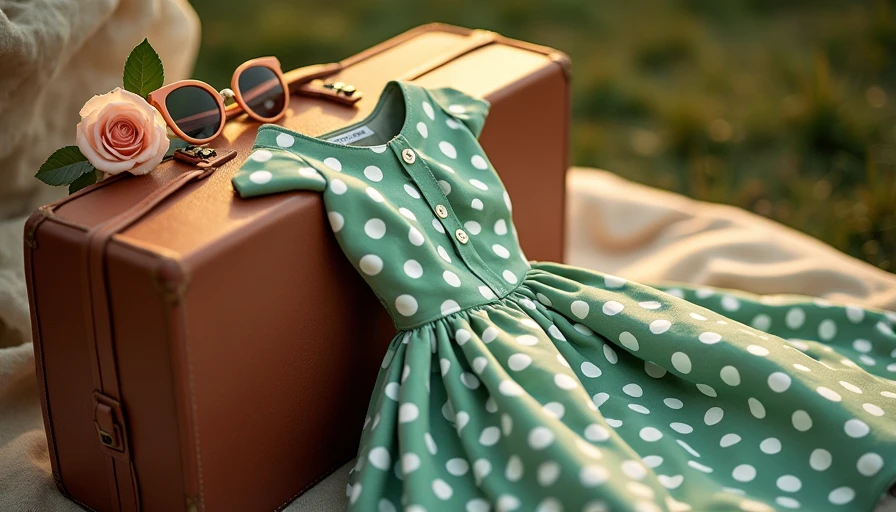
Building Your Wardrobe: Essential 1950s Style Dresses
If you’re starting from scratch, I recommend three key silhouettes:
- **A cotton fit-and-flare in a neutral solid** (navy, black, or cream) – this is your everyday dress. Wear it with flat sandals or ballet flats.
- **A wiggle dress in a dark or jewel tone** – perfect for evenings, date night, or a winter party.
- **A shirtwaist in a pattern** (gingham, floral, or polka dot) – this is your casual weekend dress.
Each of these classic 1950s style dresses can be dressed up or down. The trick is to buy for your current life, not for the fantasy of a 1950s calendar. You want clothes that let you sit in a café, walk to the subway, and still feel like you.
The Emotional Frame
Style should feel collected, not crowded. When you own a few well-chosen 1950s style dresses, they become part of your story—not a throwback, but a thread of quiet elegance that runs through your present wardrobe. Pretty is easy. Personal is harder. A dress that fits the way you move, that makes you feel both grounded and a little cinematic—that’s worth waiting for.
So take your time. Try on a dozen wiggle dresses before you buy one. Feel the cotton, check the seams, and imagine yourself wearing it on a Tuesday afternoon. The right dress will feel like it’s been waiting for you.



No letters yet — be the first to write.