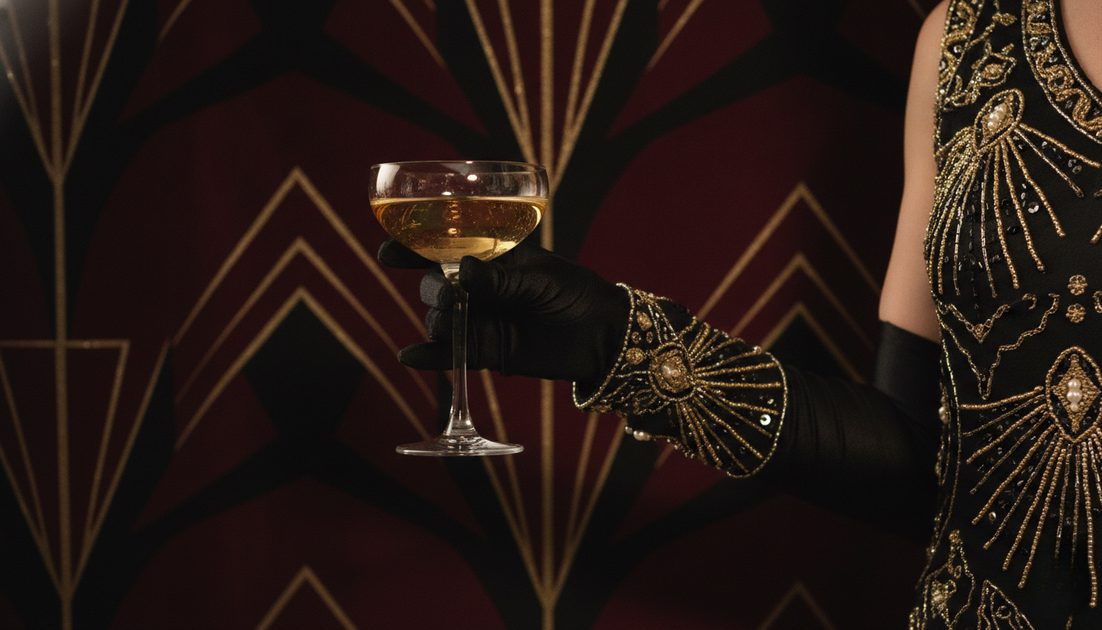
There’s a reason why Old Hollywood dresses never really go out of style. They carry a kind of quiet confidence—a soft, structured elegance that feels both distant and deeply familiar. I first fell in love with them not on a red carpet, but in a secondhand shop in Brooklyn, where a bias-cut slip dress in dusty rose hung between two forgettable polyester blazers. It didn’t scream for attention, but it held it. That’s the thing about Old Hollywood dresses: they don’t need to be loud to be memorable.
But wearing one today can feel intimidating. How do you take a piece so glamorous and make it feel like yours—not like you’re heading to a costume party? Over the years, I’ve learned that the secret is a combination of silhouette, fabric, and context. Old Hollywood dresses are at their best when they feel collected, not crowded.
Why Old Hollywood Dresses Still Work
Old Hollywood dresses were designed for movement, light, and the kind of grace that comes from understanding your own body. Think of Rita Hayworth in *Gilda* or Audrey Hepburn in *Breakfast at Tiffany’s*—the dresses follow the body, not the other way around. That’s what makes them so wearable today. A bias-cut satin gown or a fitted sheath with a low back flatters because it lets the fabric do the work. You don’t need a perfect figure; you need a dress that understands how a body moves.
Modern fast fashion often fights against you—stiff linings, unforgiving zippers, synthetic blends that trap heat. Old Hollywood dresses, or good reproductions, prioritize drape and breathability. They’re made to be worn through an evening of dancing, not just a photo. And that’s exactly what makes them perfect for real life.
Finding the Right Silhouette
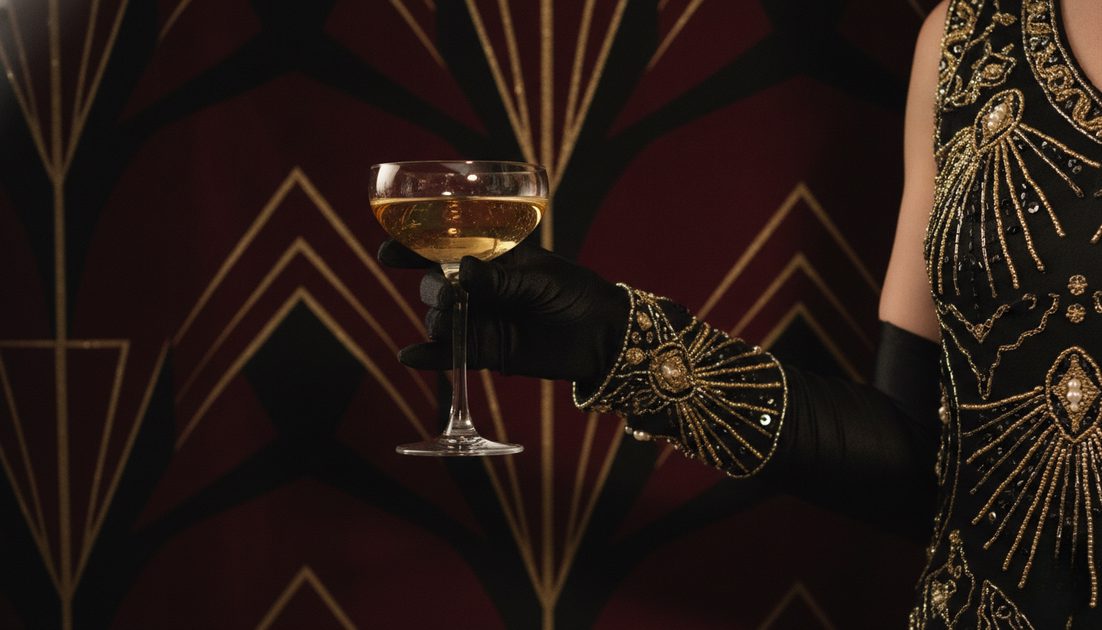
Not every Old Hollywood dress works on every body, and that’s okay. The key is to know which decade’s silhouette speaks to you. If you love the 1930s, look for bias-cut slips with cowl necks and low backs—they’re incredibly forgiving and read as effortlessly sexy. If the 1950s are more your style, a fitted bodice with a full skirt creates a waist-defining hourglass that’s both dramatic and comfortable. For the 1940s, a simple tea dress with padded shoulders and a nipped waist strikes a balance between strength and softness.
When I’m thrifting, I always check the cut first. Does the dress follow a natural line? Does it have enough ease to sit down comfortably? Can I raise my arms without pulling the whole thing off? These practical questions might not feel glamorous, but they’re the difference between a dress that sits in the closet and one that becomes your go-to.
Fabric and Details That Matter
The best Old Hollywood dresses are made from fabrics that catch light: silk charmeuse, crepe de chine, velvet, and fine wool crepe. These materials have a weight that helps them fall elegantly rather than clinging awkwardly. When you’re buying vintage or reproduction, always check the label. If it’s 100% polyester, walk away—no matter how pretty it looks on the hanger. Synthetic fabrics don’t breathe and they don’t drape the same way.
Details also matter. Look for subtle beading, delicate shoulder pads, or a hidden back zipper. A dress that feels handmade or well-constructed has a soul. I have a black velvet bodice dress from the 1950s with hand-stitched seams, and every time I wear it, I think about the woman who wore it before me—maybe to a dinner party, maybe to a dance. That sense of history is part of the magic.
Styling for Real Life: Borough Dressing
Now comes the part that trips most people up: how to wear an Old Hollywood dress without looking like you’re on your way to a premiere. The trick is to treat it like any other dress. Pair a bias-cut slip with a chunky cardigan and leather sneakers for a day of gallery hopping. Throw on a vintage denim jacket over a 1950s tea dress to dial down the formality. Swap heels for flat sandals or ankle boots. The contrast between the dress’s inherent glamour and your everyday accessories is what makes the outfit feel personal and current.
I often wear my favorite 1930s-style velvet dress to a neighborhood bar on a Saturday evening, with a simple clutch and low block heels. It feels special, but not out of place. The key is confidence. If you wear the dress like it belongs to your everyday wardrobe, it will. Style should feel collected, not crowded.
Where to Find Your Own Old Hollywood Dress
If you’re new to vintage, start with reproductions from brands like Unique Vintage, Reformation, or even modern designers who borrow from old Hollywood. They offer the silhouette without the fragility of a true antique. For authentic pieces, hit the thrift stores in your city’s older neighborhoods, or browse online at Etsy, The RealReal, or local vintage shops. Look for terms like “bias cut,” “satin slip,” and “1950s full skirt.” Take your time. The best Old Hollywood dresses find you when you aren’t searching too hard.
Remember, the goal isn’t to recreate a movie still. It’s to find a dress that makes you feel like the leading role in your own life—whether you’re walking through Prospect Park or standing in line at a coffee shop. That’s the real magic of Old Hollywood dresses: they remind us that elegance doesn’t have to be reserved for special occasions. It can be an everyday choice.

No letters yet — be the first to write.